The scope of an ODM refrigeration project determines which product decisions and manufacturing tasks the supplier is expected to undertake. A commercial request may concern an existing appliance, a modified configuration or development work that has yet to be defined. Those possibilities involve different commitments before any production quantity is discussed.
Manufacturing resources provide the setting for that work, while the destination introduces requirements for the resulting product. A useful supplier assessment connects the proposed services with the production organisation and the responsibilities associated with market access.
Describe the Work Attached to the Product
A product brief turns commercial preferences into an agreed development scope only when the unresolved decisions are visible. A requested feature needs a functional description, and a proposed modification needs a defined starting product. Otherwise, the supplier and partner can appear to agree while referring to different amounts of work.
The designation ‘China refrigeration ODM supplier‘ describes a business role; the agreement determines its practical content. Design input, manufacturing, supporting product information and service arrangements can involve separate deliverables. The presence of an ODM relationship does not settle every responsibility within those activities.
Existing platform selection also differs from developing a variation. Standard equipment can provide a starting point, while a changed function may require further engineering and confirmation. Within wholesale refrigeration, customised development is reserved for large-volume orders, with the work identified for the particular programme.
Commercial and technical approval need their own subjects. Agreement on a market position does not necessarily confirm a component choice, just as acceptance of a product drawing does not determine the warranty arrangement. Defining the required outputs and the party responsible for each gives the service discussion a concrete boundary.
Place Production Resources beside Process Control
A manufacturing footprint describes facilities and space, whereas process control concerns what happens during production. More premises can accommodate more activity, but the product mix and the work assigned to those premises still matter. Physical scale needs an operating context before it explains how a programme will be supplied.
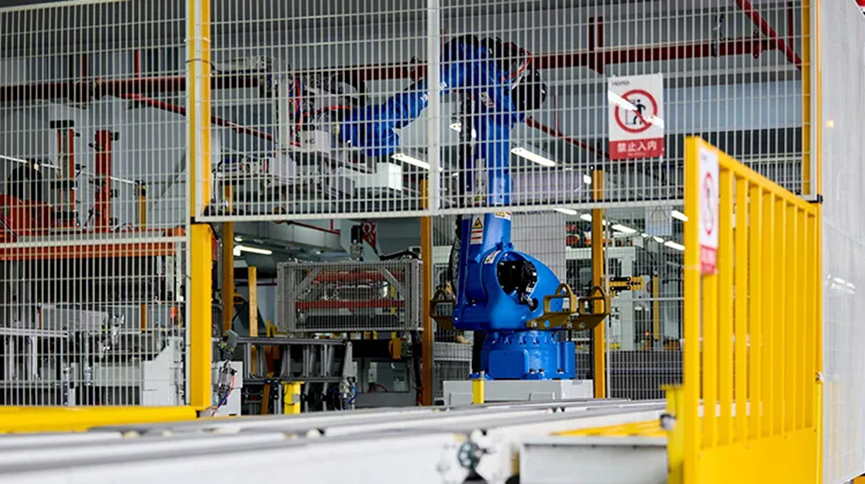
The production network of Homa Appliances includes nine refrigerator plants, two freezer plants and parts facilities, together covering 1,134,000 square metres. This footprint combines appliance manufacture with supporting parts operations. Its overseas business mainly involves ODM cooperation, placing those manufacturing resources within relationships with partner brands.
A ‘China refrigeration ODM supplier’ assessment can distinguish that physical base from the arrangements that maintain the intended construction. Different product families can require different parts, tooling and assembly work. A total across facilities does not describe the resources required by each proposed configuration.
Homa also uses a quality management system for real-time monitoring of key machinery and processes. Monitoring concerns operating conditions during manufacture, while quantities of completed appliances describe an output. Reading the two together keeps production activity connected with the conditions under which it takes place.
Changes introduce a practical test of that connection. A component revision must be reflected in the relevant manufacturing instructions and material requirements before it can become part of a repeatable production process. The number of factories does not itself describe how a change will be authorised, identified and introduced within the proposed programme.
Assign Compliance Work for the Intended Destination
Destination rules determine which product assessments and records are relevant, and who must take responsibility for them. The organisation carrying out physical manufacture and the organisation recognised as the manufacturer under a market’s rules are not always identical. Contract manufacture therefore needs more precise role descriptions than the word supplier alone.
For EU CE marking, a business can be treated as the manufacturer when it has a product made and sells it under its own name or brand. Outsourcing production does not remove the associated responsibility for product conformity. An ODM arrangement consequently needs to address how technical documentation and declarations will be prepared and maintained.
Compliance also reaches different parts of the appliance. Food-contact materials introduce questions about substances transferring into food under intended conditions of use. Germany’s LFGB provides a legal reference in this area; it is not an interchangeable certificate for every aspect of refrigeration performance.
A change to a food-contact drawer material illustrates the dependency. The external dimensions can remain identical while the material evidence needs review, because the conditions of food contact concern composition and use rather than size.
An enquiry addressed to a ‘China refrigeration ODM supplier’ becomes more precise when it identifies the intended destination, product configuration and required compliance work. Relevant assessments must concern the appliance being supplied. A change to the product can therefore require the supporting information to be reviewed alongside the engineering change.
Export experience supports familiarity with these tasks, while the current agreement identifies who supplies information, who reviews it and who retains the required records. Those responsibilities connect the manufacturing service with the product’s route into its market.
Service scope, manufacturing resources and destination requirements describe different parts of one ODM project. The proposed appliance connects them: development defines its construction, production reproduces it and compliance work addresses its intended market. Large facilities provide a manufacturing base, while explicit responsibilities make the relationship usable for a particular programme. The next supplier discussion needs both an identifiable product and a clear account of the work expected from each party.