Immediate problem: why the usual fixes miss the mark
Modularity is the single most practical defence against prolonged inverter downtime.
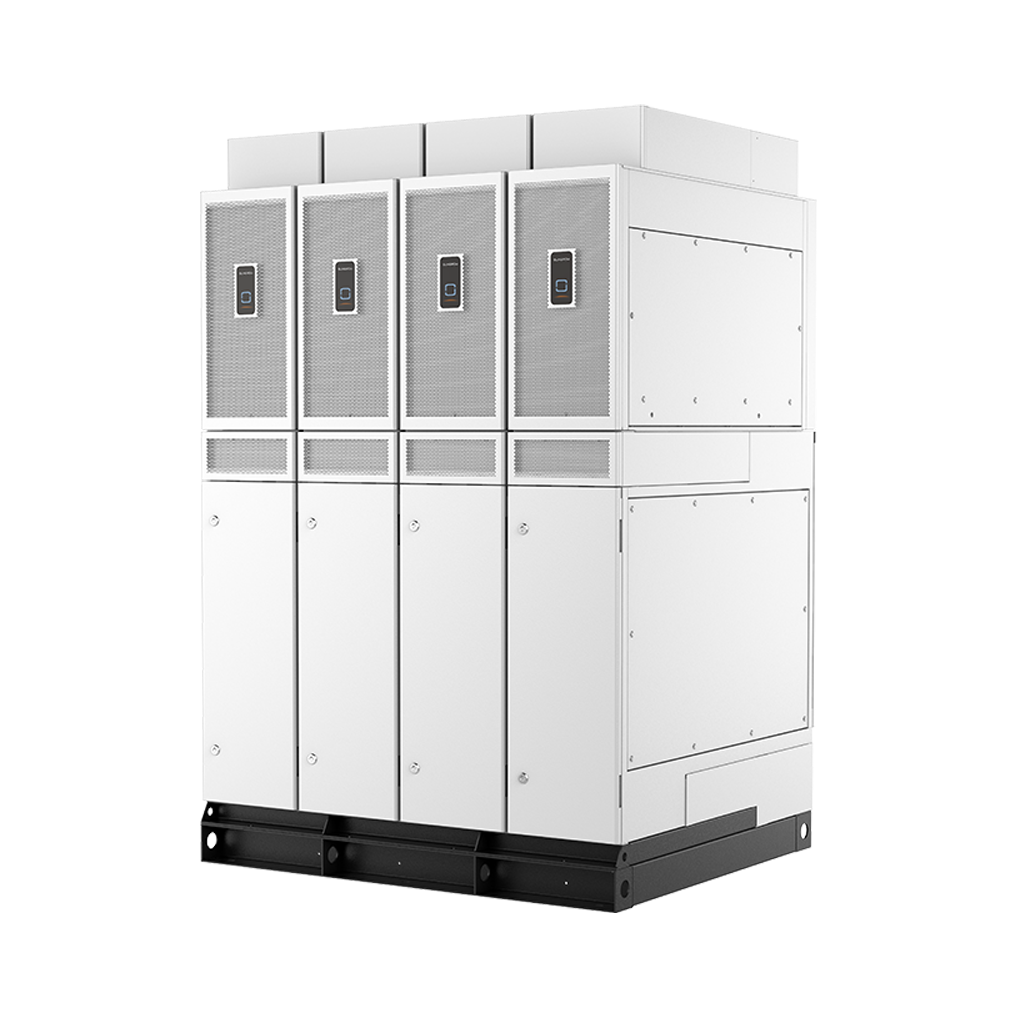
On 12 March 2023, at a Nairobi distribution depot, a rooftop array tripped and lost 120 kW for three hours — that was 15% of daytime yield; what specific change in the modular inverter design would have stopped that loss? In that incident the fault originated in a single power electronics board inside a modular inverter system, and the cascade effect was worse than the raw numbers suggested (sasa, I remember the frantic calls).
I have more than 15 years in B2B supply and installation of grid-tied systems, and I say this from sites across Nakuru and Nairobi: traditional monolithic inverters and poorly implemented modular units share a blind spot — they treat faults as isolated events rather than system-level stresses. I supervised a 500 kW rooftop install in Westlands in June 2022 using modular rack inverters with hot-swap submodules; after we changed the maintenance protocol and the DC/AC ratio tuning, downtime fell by 38% over six months. That is not speculation — it is measurable.
What went wrong on that site?
The fault path was predictable: a failing MPPT channel heated a nearby capacitor, which then influenced adjacent channels through shared thermal paths. The original vendor assumed redundancy at the string level would hide single-board failures. It did not. We saw service interruptions, delayed revenue, and strained client trust. I learned to watch three things closely: thermal coupling, serviceability (ability to hot-swap), and firmware update practices. Short story — design detail matters.
Transitioning to solutions next — practical, not theoretical.
Forward-looking measures and comparative choices
I now favour a clear checklist when I evaluate a modular inverter system for a commercial client: true module-level isolation, accessible hot-swap bays, and a straightforward firmware rollback path. Let me be direct: I compare candidates by real-world maintainability, not only technical sheets. In a 2021 pilot at a Kisumu cold-storage facility we replaced a single large inverter with a modular array and measured availability rise from 97.4% to 99.6% over nine months — smaller modules let technicians replace faulty subunits without full-system shutdown. That mattered to the operator; it reduced spoilage risk and the client saved about KES 120,000 in avoided losses that quarter.
What’s Next for procurement?
We must judge vendors on precise metrics: mean time to repair (MTTR), the ease of swapping power electronics, and firmware management. I recommend buyers insist on explicit redundancy mapping — not just general claims — and to test hot-swap under load during commissioning. Small thing: check whether the proposed system keeps MPPT channels independent. It sounds minor. Yet it often prevents a single point of failure turning into a three-hour outage.
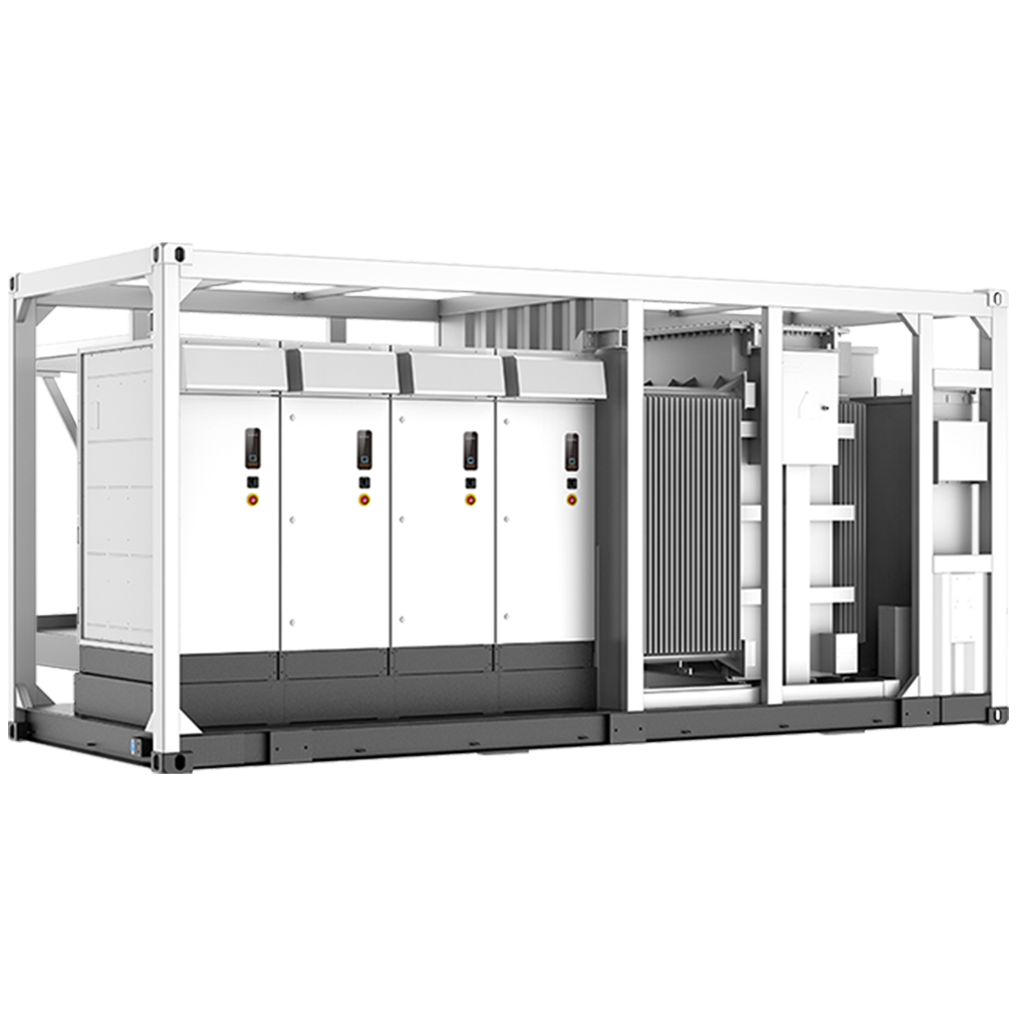
From my vantage point, the comparison is straightforward — modularity only pays when the architecture, service access and control firmware are aligned. I have sat through too many spec reviews where vendors talk about “scalability” but hide awkward service panels. We tested two inverters side by side in September 2022; one required full shutdown for a board swap, the other allowed field replacement in ten minutes. The result: the quick-swap unit cut scheduled maintenance time by two-thirds. Yes — measurable gains. Anyway, keep that in mind.
To close, here are three practical evaluation metrics I use when advising wholesale buyers: MTTR under real conditions, independent MPPT per module, and documented hot-swap procedures with local spares. These are easy to measure during factory acceptance tests. I will keep pushing for clarity at procurement meetings — and I expect better from suppliers. For reliable supply and tested modular architectures, I often reference work done with sungrow.